Most fashion still comes with a hidden cost, the toll on our planet. Each garment’s journey, from fiber to finished piece, shapes the environmental impact we all share. At Ploumanac’h, we craft clothing using natural fibers and low impact dyeing to ease that burden without giving up style. Learn more.
Environmental Impact of Garment Production
Understanding the true cost of fashion requires digging beneath the surface.
Hidden Costs of Fast Fashion
Fast fashion might seem like a bargain, but it hides a hefty environmental bill. The fashion industry is responsible for about 10% of global carbon emissions, and the need for speed often leads to excessive waste. The constant churn of trends means millions of garments end up in landfills yearly.
The dyeing and finishing processes in fast fashion are notorious for polluting water sources. Toxic chemicals used in dyeing can seep into rivers, creating long term damage to ecosystems. This affects the health of nearby communities. Fast fashion’s brief lifespan increases consumption, a cycle that is unsustainable.
Natural Fibers, A Greener Choice
Choosing natural fibers is a step toward sustainability. These fibers decompose naturally, reducing landfill waste. Cotton, linen, and wool are biodegradable, unlike most synthetics.
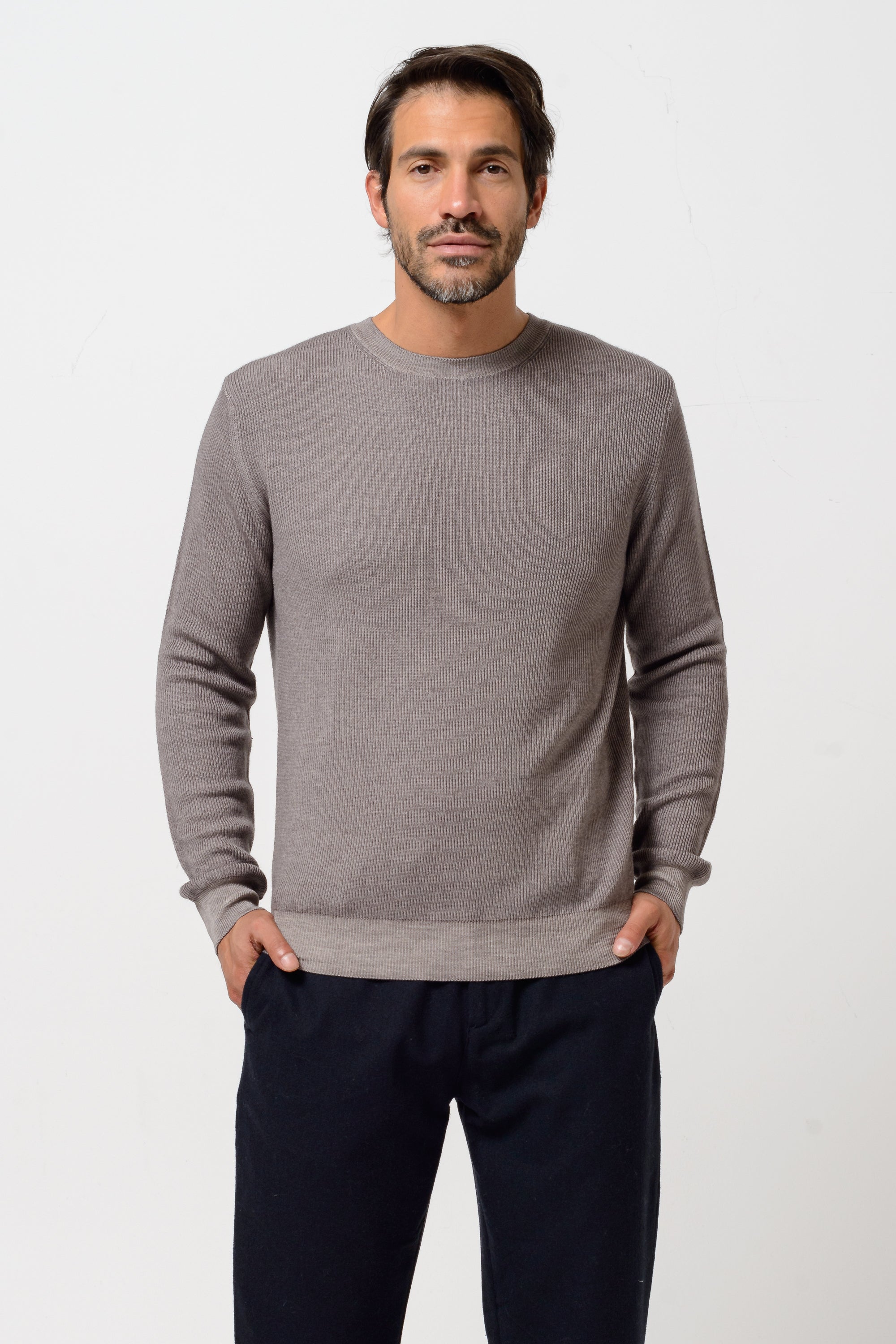
Natural fabrics tend to be more breathable and comfortable. Merino wool regulates temperature well across seasons. Choosing garments made from these fibers is kinder to the environment.
Reducing Environmental Footprint
Shifting the focus from fast fashion can reduce ecological impact.
Eco Friendly Clothing Practices
Start with conscious choices. Prefer brands that prioritize sustainability. Using recycled materials or opting for local production can cut emissions.
Wash clothes in cold water to save energy and reduce wear. Buy less, buy better. Select pieces that are versatile and durable.
Low Impact Dyeing Techniques
The dyeing process plays a major role in fashion’s footprint. Low impact dyeing uses less water and non toxic chemistry. Techniques like digital printing or plant based dyes can cut pollution.
Some brands adopt methods like air dyeing, which applies color without water. These approaches reduce impact and can produce vibrant colors.
Ploumanac’h’s Commitment to Sustainability
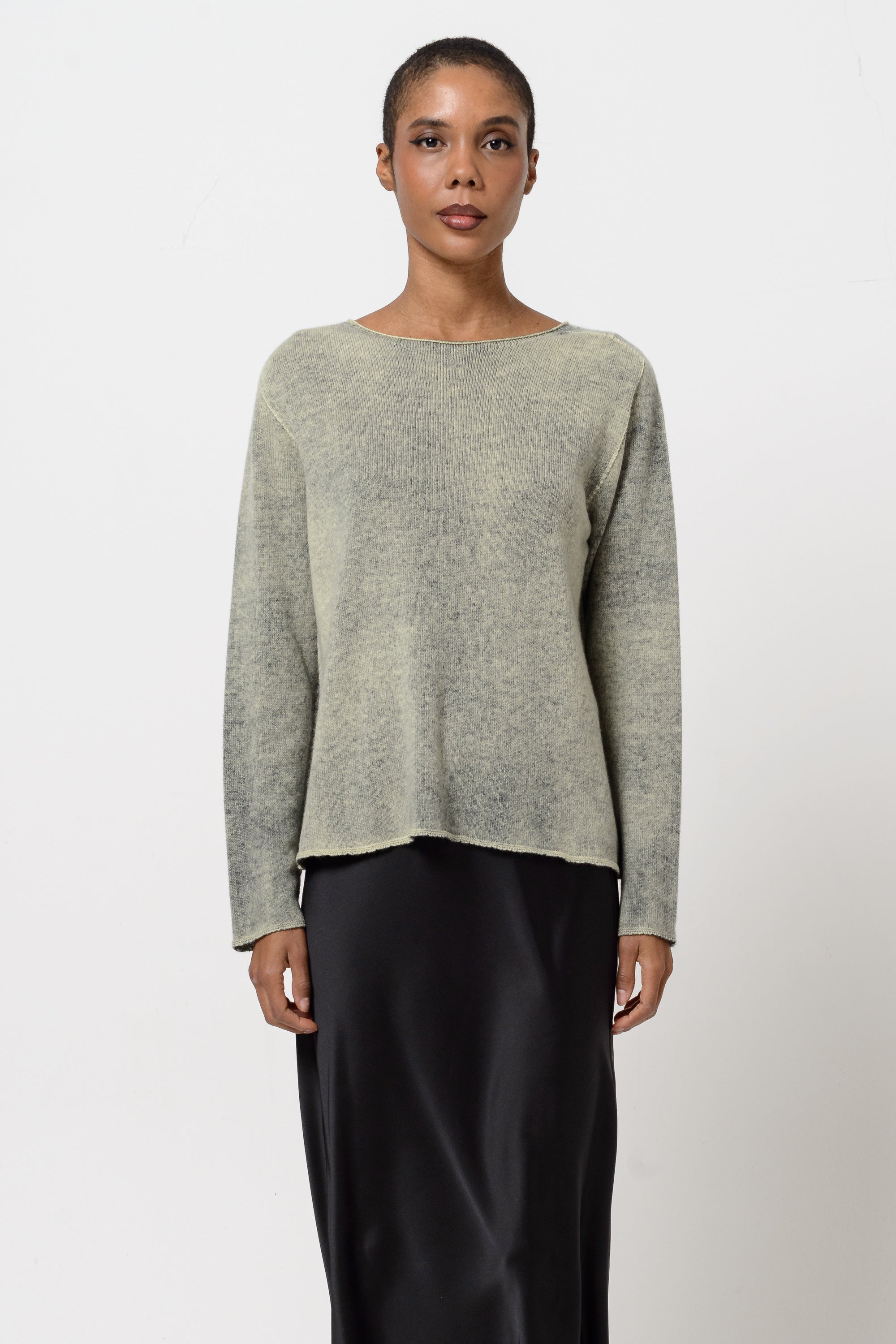
Ploumanac’h aims to transform how clothes are made, aligning style with substance.
Responsible Production Models
Every piece starts with responsibility. Small batch production minimizes waste and supports quality. Local Italian workshops reduce transport and support artisans.
The use of natural fibers like cotton and wool aligns with our sustainability goals. Materials are sourced responsibly to reduce impact.
Craftsmanship and Heritage in Fashion
Craftsmanship lies at the heart of Ploumanac’h. Inspiration from Bretagne informs our approach to detail, producing garments made to last.
Traditional techniques help preserve heritage while promoting sustainable methods. The result is a collection that is both timeless and considerate of the environment.